

Stay updated with our letter
Valuable perspectives on the latest trends and tips.


Complete Quantum Computer Price List | Models, Specs & Costs


A quantum computer price list is only useful when it makes clear what is being priced. A cloud experiment, reserved processor access and an installed research system are different purchases. Comparing them as though they were three laptop specifications gives a misleading picture of both cost and capability.
For most readers, the first decision is whether they need to learn, run a defined experiment or operate specialist infrastructure. That decision narrows the options more effectively than a headline qubit count. It also determines which costs belong in the budget.
This guide separates published cloud charging models from systems that require a supplier quotation. Prices and availability can change, so the dated example below is a calculation aid rather than a binding offer. Unverified million-dollar estimates and unsupported monthly starting prices are not a reliable basis for a purchase.
Three different things you can pay for
Learning and simulation let you develop an understanding of quantum circuits without buying a quantum processor. A simulator runs a model on classical hardware. That can be valuable for checking small examples, but it is not evidence that a calculation ran on a physical quantum computer.
Cloud hardware access lets you submit work to a provider’s quantum system. The charge may depend on executions, processor time, a reservation or a plan. Supporting services can add to the bill, and the exact terms depend on the chosen provider and device.
An installed system involves procurement, facilities, support and operational responsibility. The price needs to specify the equipment and services included, as well as acceptance criteria and ongoing obligations. A processor name on its own is not a complete description of that purchase.
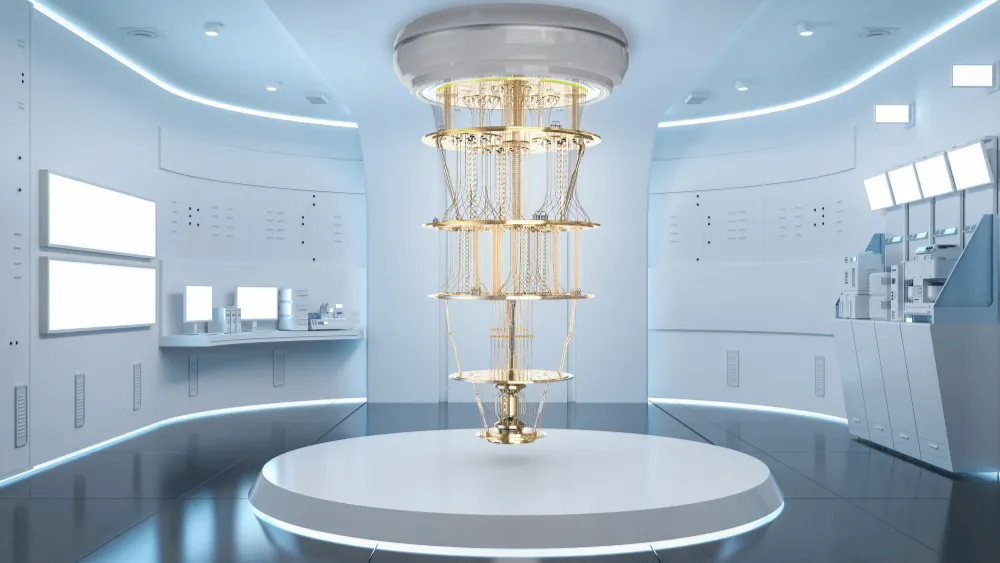
Cloud quantum computing: compare the charging unit
IBM Quantum
IBM’s current documentation describes an Open Plan and paid access options. Use its plans overview to check eligibility, allowances and the access model that applies to your account. Do not treat an older monthly figure as a universal subscription price.
Before budgeting, establish which system and workload the plan supports, how usage is measured and what controls are available. IBM also documents cost management for paid usage. A learning allowance may be useful for exploration without being enough for a research programme with repeated experiments.
Amazon Braket
Amazon Braket’s pricing page lists task and shot charges for on-demand quantum hardware, alongside reservation options. A shot is one execution; a task groups repeated executions of the submitted circuit or analogue programme. Supporting AWS services are billed separately where used.
| QPU family | Per task, USD | Per shot, USD |
|---|---|---|
| IQM Garnet | $0.30 | $0.00145 |
| QuEra Aquila | $0.30 | $0.01000 |
| IonQ Forte | $0.30 | $0.08000 |
Selected published rates checked 25 September 2026. These devices are not interchangeable; compare the supported computation as well as price. Confirm current conditions and additional charges before submitting work.
IonQ access
IonQ hardware can be encountered through cloud platforms with their own access and billing terms. The Braket example above is one specific route, not a universal IonQ price. A different platform, device or agreement may use different terms.
When comparing options, record the exact target system and the work it must execute. Ask how error-handling choices, minimum usage requirements and repeated measurements affect the estimate. A price described merely as “per shot” is incomplete if you have not established the number and type of submissions the experiment needs.
Microsoft Azure Quantum
Microsoft publishes provider-specific Azure Quantum pricing. There is not one universal monthly charge that describes every provider and workload. Review the selected plan, its billing unit and any associated Azure costs.
A comparison should use the same experiment where the platforms support it. Record differences that prevent a like-for-like test rather than hiding them in a single cost column. The useful outcome is an estimate for your workload, with its assumptions visible.
Installed quantum systems: why quotations matter
Research hardware is not a simple retail category. A supplier discussion needs to establish what is available, the intended use, the facilities required and the support arrangement. The model names below were included in the original article; they remain useful reference points, but they should not be read as a current stock list with verified purchase prices.
IBM Quantum System One
Quantum System One refers to an integrated quantum computing system, rather than a universal specification defined by one qubit count. If your organisation is considering an installation or a dedicated arrangement, request the proposed configuration and service scope from IBM. Its products and services information is a starting point.
A quote should distinguish hardware, installation, access rights, maintenance and the support needed to operate the programme. Repeating a broad historical estimate would not tell you which of those obligations it covers.
D-Wave Advantage2
D-Wave’s Advantage2 is an annealing system. Its release documentation describes more than 4,400 qubits and more than 40,000 couplers. These specifications should not be compared directly with a gate-based processor’s qubit count as though the higher number automatically means greater general computing power.
Define the optimisation problem and confirm that the chosen method can represent it appropriately. Then compare access, support and deployment terms for the proposed use. A supplier quotation and a meaningful workload evaluation are more useful than an unsupported purchase-price range.
IonQ Forte
Forte appears in current cloud-provider information, including the access route illustrated above. That does not establish that every Forte-branded configuration has the same commercial terms or can be purchased through the same route. Confirm the precise system and arrangement directly.
A useful procurement conversation separates hardware characteristics from what your team can reliably run. Include software compatibility, scheduling, support and the evidence needed to evaluate results.
Rigetti Aspen-M3
Aspen-M3 is a model name retained from the earlier article. Do not use it as shorthand for Rigetti’s current offering or assume an old estimated price applies to a new procurement. Check the current platform documentation and ask the supplier which system is available for your intended workload.
This is a common problem with fast-moving hardware lists: a familiar model can remain visible in articles long after the relevant purchasing decision has changed. Keep the date and exact configuration attached to any quote.
Quantum Brilliance and Qristal
One correction is particularly important: Qristal is Quantum Brilliance’s software development kit, not a hardware model that can be assigned a purchase price and qubit count. Software tooling and physical equipment need separate entries in a budget.
If investigating Quantum Brilliance hardware, request the current product information, operating requirements and quotation from the supplier. Do not infer a price from the software name or assume that every quantum hardware approach has the same facilities requirements.
The costs beyond the processor
An installed system brings responsibilities that a cloud experiment does not. Facilities, power, environmental controls, support and trained staff must be considered according to the proposed hardware. Superconducting systems and other architectures do not all impose identical requirements.
Ask for a responsibility schedule alongside the quote. Who prepares the site? Who handles installation and acceptance testing? What happens during an outage? Which components are covered by support, and which costs remain with the customer? These details can change the practical meaning of an apparently attractive purchase price.
Software and training also need a defined scope. An open-source development tool can still require substantial engineering effort to use well. A support package may help with a platform without supplying the scientific expertise to design the experiment. Budget for the people and work actually required.
Build a total-cost estimate you can defend
Start with the objective and a baseline. What question is the programme trying to answer, and how would it be investigated classically? Identify the quantum workload, the expected repetitions and the evidence needed to judge success. Only then estimate access and implementation costs.
For cloud work, separate the hardware submissions from simulation, classical computation, storage and staff time. For an installation, separate the initial purchase and site preparation from recurring operations. Include an allowance for uncertainty, but explain what that allowance is intended to cover.
- Record the units: tasks, shots, time, reservations or contractual access.
- State the workload: include repeated experiments and validation runs.
- Separate one-off and recurring costs: installation and annual operations are different commitments.
- Define a review point: decide what evidence justifies continuing the programme.
A three-year estimate can be useful, but it should be built from real quotations and an explicit staffing plan. Adding invented component prices produces a precise-looking total without making the estimate reliable. Keep ranges where the underlying scope is still uncertain.
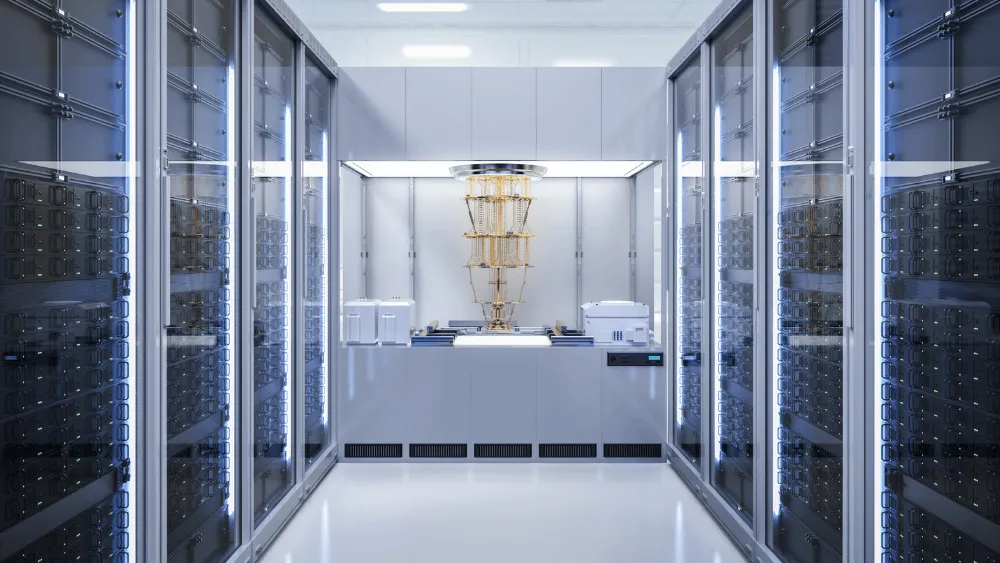

What should a small business do first?
If your goal is to understand the technology, begin with learning resources and a small, controlled experiment. If your goal is a commercial application, involve people who can assess the algorithm, the classical alternative and the hardware requirements before spending heavily.
For a typical agency or website project, quantum hardware is not a prerequisite. Hosting, development, content and operational security are separate decisions. Businesses working in the quantum sector may need a website that explains a complex product clearly, but that communication task should not be confused with purchasing the underlying research infrastructure.
The strongest price comparison starts with a modest question: what exactly do we need to run, and what would a useful result look like? With that established, provider rates and quotations become meaningful. Without it, even a long list of models and impressive numbers offers little help with the decision.
There is no single reliable purchase price. Cloud charges depend on the provider, device and workload; an installed research system needs a quotation covering its configuration, facilities and support. Compare the complete scope rather than an unsupported headline range.
Cloud platforms provide access under their current plans and terms. Check the selected device, charging unit, eligibility and budget controls before running work.
No. Architecture, errors, supported operations and the calculation you need all matter. Physical qubits, logical qubits and vendor-specific metrics are not interchangeable measures.
Include hardware submissions, repetitions, simulation, classical computation, storage, staff time and any support needed. For an installation, add facilities and recurring operating responsibilities.
Qristal is Quantum Brilliance’s software development kit. It should not be assigned a hardware price or qubit count. Investigate physical products and software requirements separately.




Where ideas come to life
We explore various aspects of modern life, offering valuable perspectives on the latest trends, and helpful tips.

